During the 2025 Mobile Pwn2Own competition, we identified a series of vulnerabilities affecting Samsung devices. Chained together, these issues resulted in remote system-level compromise triggered by a single user interaction.
What distinguishes this entry from previous submissions is its focus on design oversights in Samsung’s voice agent, Bixby, that enabled privilege escalation through a single auto-granted Android permission. Because this permission is implicitly approved in many Samsung applications, exploiting just one of them allowed us to issue unauthorized commands to Bixby.
Further analysis revealed that Bixby maintains interprocess communication channels with a wide range of applications, including system components. We leveraged this architecture to force the agent to relay arbitrary commands to privileged services, effectively turning it into a bridge between unprivileged and system domains.
This briefing presents an architectural and security analysis of the Bixby voice framework and highlights the systemic weaknesses that enabled end-to-end device compromise. Specifically, we demonstrate how chaining vulnerabilities in preinstalled applications allowed us to leverage the Bixby agent to exfiltrate sensitive data and silently install applications by abusing its system-level capabilities.
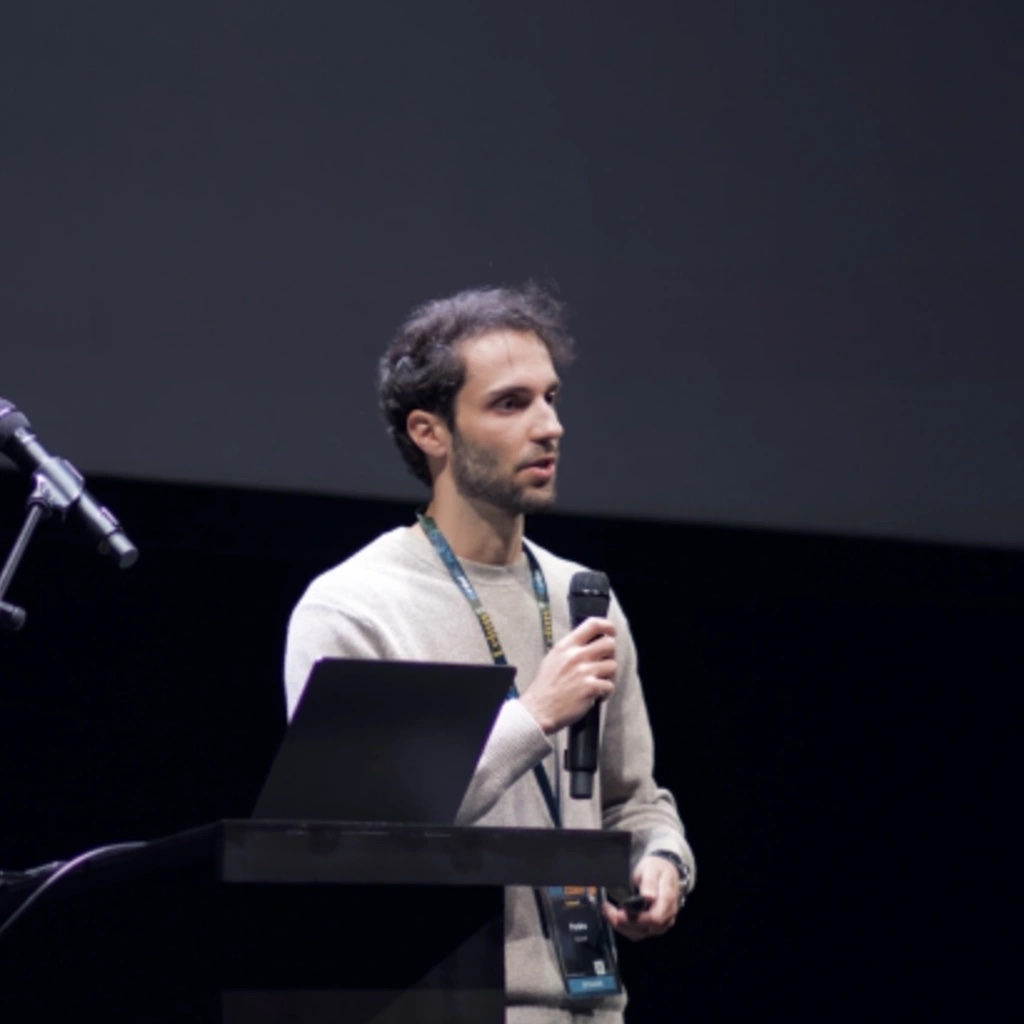
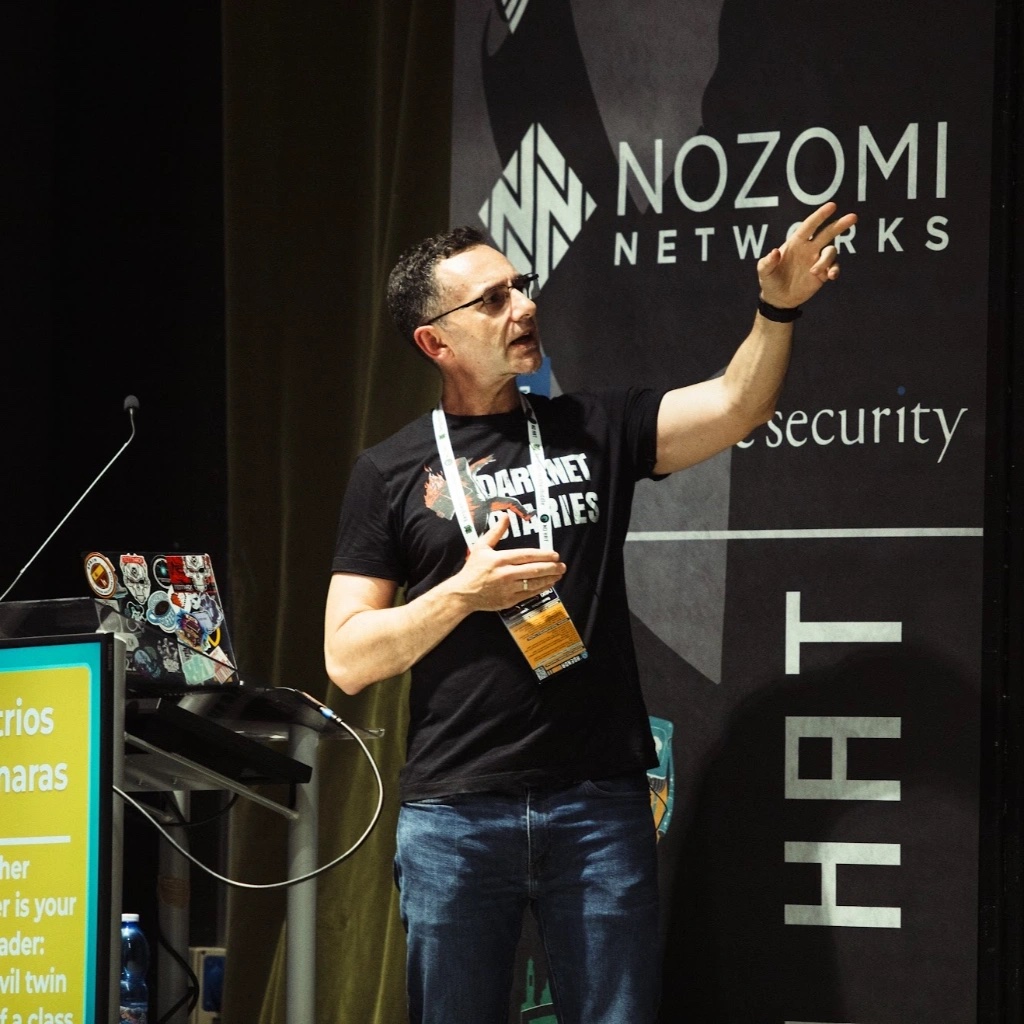
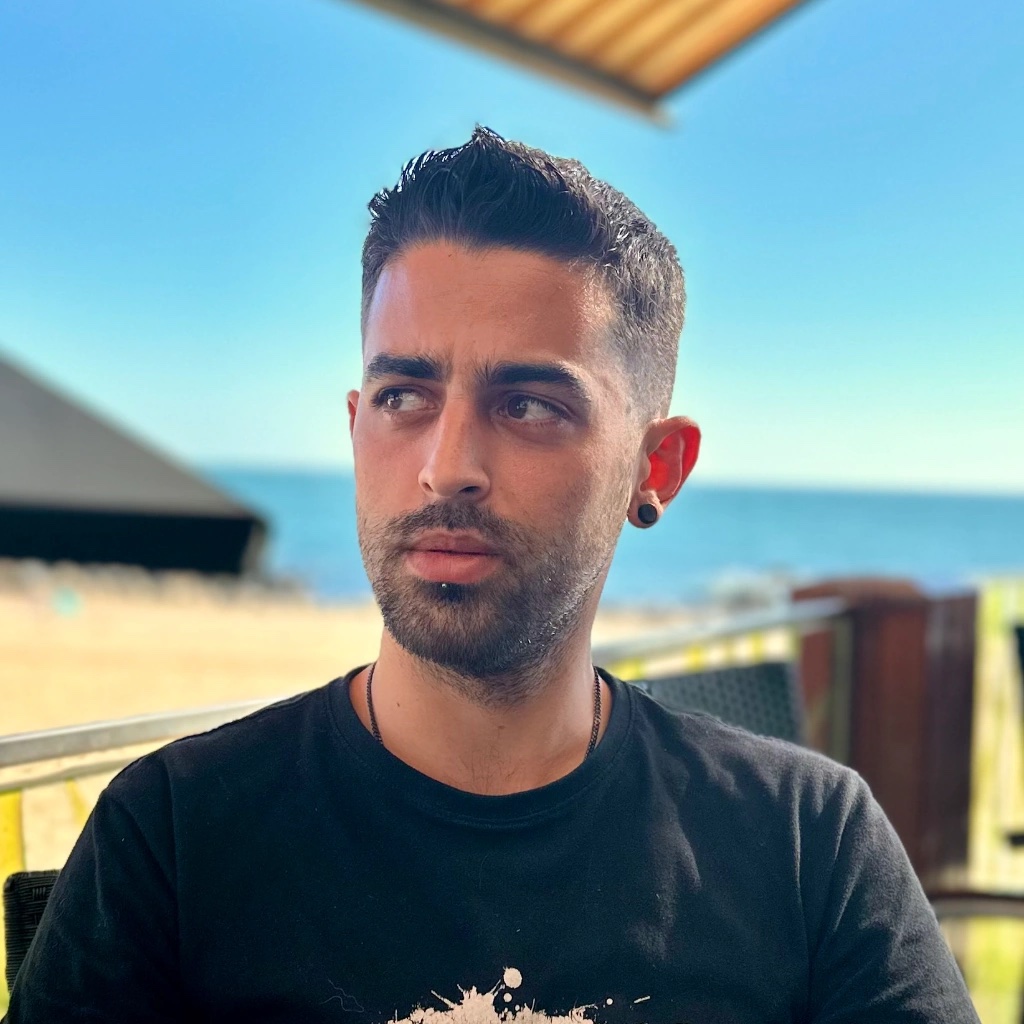
Dimitrios is a Senior Security Researcher specializing in mobile and platform security, with deep expertise in Android internals, reverse engineering, and exploit development. As part of Microsoft’s Threat Intelligence organization, he conducts large-scale vulnerability research and malware analysis across mobile and cross-platform ecosystems.
He has been credited with numerous CVEs across major vendors including Microsoft, Google, Samsung, Zoom, TikTok, Xiaomi, and others, consistently uncovering high-impact flaws in widely deployed software. His work focuses on breaking trust boundaries and turning small logic bugs into full exploit chains. At Pwn2Own Mobile, he used that same approach to compromise a Samsung flagship device on production firmware.
Dimitrios builds offensive security tooling and has been active in reverse engineering communities since early in his career. A frequent speaker at Black Hat, Nullcon, Insomni’hack, Troopers, and Hack.lu, he is recognized for deeply technical research that connects vulnerability discovery with practical, real-world exploitation.
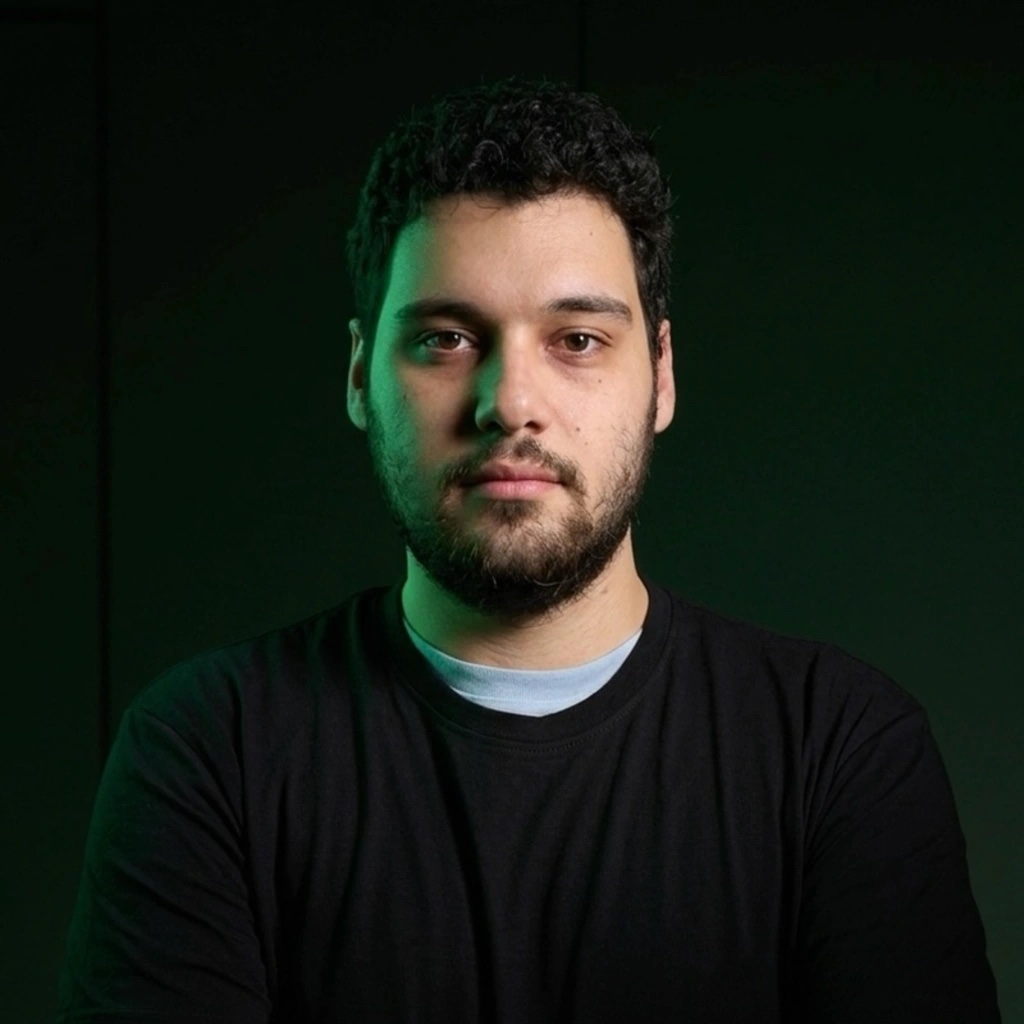
Ken Gannon, also known as Yogehi, is a mobile security researcher who spends most of his time breaking Android apps and the assumptions developers didn’t realize they were making. His work focuses on vulnerability discovery, exploit development, and chaining seemingly minor bugs into real-world compromises, with particular interest in WebViews, deep links, and the messy trust boundaries between mobile components. Ken has been repeatedly credited by Samsung Mobile Security for vulnerability reports across multiple release cycles and is listed in Samsung’s Rewards Program Hall of Fame. He is a three-time Pwn2Own Mobile Phones category winner (2023–2025), where he demonstrated multi-bug exploit chains against flagship devices by turning small, independent issues into full end-to-end exploitation paths.
Outside of competitions, Ken publishes technical writeups, tooling, and research notes through his personal site and GitHub, aiming to make practical exploitation knowledge accessible to other researchers. When he’s not reversing apps or debugging exploit chains at unreasonable hours, he’s usually gaming, digging through new attack surfaces, or building tools that probably started as “quick scripts” and grew out of control.